Disability-Inclusive Local Climate Action Planning in the United States
Wheelchair User Next to Water
Wednesday, August 18, 2021

Climate change poses unique dangers and challenges for people with disabilities. Unfortunately, despite wide recognition of the vulnerabilities of people with disabilities to climate change, disability perspectives and needs remain largely excluded from climate adaptation and mitigation efforts. Effective and inclusive climate action planning is essential to protecting the 26% of Americans who experience a disability from the most dangerous aspects of climate change.

Engaging Thousands: Reflections on a Recent China Program Webinar on Climate Change
Earth
Wednesday, August 11, 2021

On July 14, the ELI China Program hosted a webinar on climate change litigation in the United States for the environmental law community in China. The event garnered a record-breaking audience of over 5,500 participants sustained over the course of three hours of detailed instruction on climate law.

Adaptation to Climate Change: Tribes Are Leading the Way (Part 2)
Hurricane Ridge in Olympic Peninsula WA
Wednesday, August 4, 2021

This is Part 2 of a two-part blog series on climate change and its impact on indigenous peoples in the United States. Part 1 introduced the impacts of climate change on indigenous communities, while Part 2 provides specific examples of how these communities are responding in order to protect their land, people, and resources. 

Heating Up: Climate Change Impacts on Tribal Communities (Part 1)
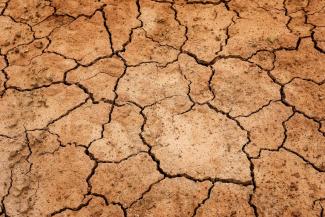
Drought affected ground
Monday, August 2, 2021

This is Part 1 of a two-part blog series on climate change and indigenous peoples in the United States. Part 1 introduces the impacts of climate change on indigenous communities, and Part 2 looks more in depth at how these communities are responding in order to protect their land, people, and resources. 

The Year U.S. Financial Regulators Acknowledged Climate Change Risks
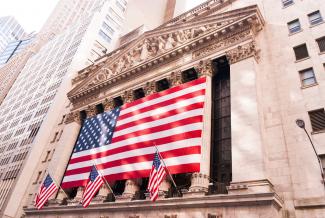
New York stock exchange building
Wednesday, July 28, 2021

Disclosure law in the United States is on the cusp of change. Significant shifts in the information investors expect to see in disclosures and how they use it are redefining what “material” is and changing disclosure obligations for companies. Federal financial regulators are also incorporating climate change risks into their work, adding pressure to improve climate-related disclosures.

Environmental Liability Could Help Remedy Biodiversity Loss
Pongo the Stolen Orangutan, credit Jaclyn Schwanke
Monday, July 26, 2021

In a rural community in North Sumatra, Indonesia, an environmental NGO recently filed one of the first natural resource liability suits for illegal resource exploitation against a zoo holding critically endangered animals. Extending the “polluters-pay” principle, the case has the potential to set a global precedent for holding illegal wildlife traffickers accountable for repairing the harm they cause—not only to individual plants and animals, but also to species survival, ecosystem health, and human well-being.

The U.K. Environment Bill: A Pending Opportunity for Significant Environmental Governance
Tower bridge in London
Wednesday, July 7, 2021

On January 31, the United Kingdom’s long and tumultuous departure from the European Union concluded with Brexit Day. This monumental, and by some, staunchly condemned, process ushered in a breadth of legal impacts, especially in regards to national environmental law and policy. EU directives previously served as the foundation for a large contingency of environmental standards, environmental protection regimes, conservation schemes, and enforcement and compliance in the U.K. Additional implications of Brexit include those at the intersection of agriculture and the environment, business and trade implications, sustainability efforts, chemical regulation, renewable energy development, the Paris Accord and other climate goals, and a variety of multinational treaties and directives. In short, the impacts on environmental governance were, and are, enormous and far-reaching.


Tribal Energy Project Development
windmills
Wednesday, June 30, 2021

The Tribal Energy Project, a U.S. Department of Energy (DOE) program, aims to advance renewable energy sufficiency on tribal lands through government assistance. This assistance is three-pronged, providing financial support, technical and legal assistance, and tribal education and training on renewable energies. The goal is to improve tribal economies by using land to create more sustainable energy pathways that bolster the tribal community and create jobs within tribal nations.