“Materiality” of Climate Change Information Under Securities Law
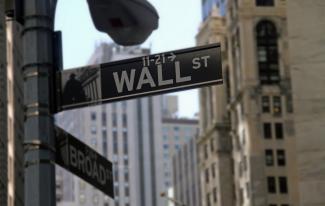
Wall Street
Wednesday, February 5, 2020

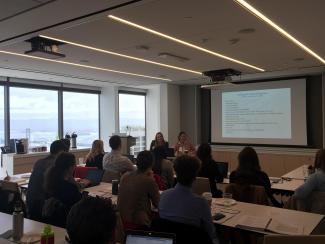
Savvy investors are increasingly considering climate-related information in their decisionmaking. How companies model future costs of climate policies, the extent to which they are prepared to adjust to the physical impacts of climate change, and how climate projections impact corporate planning are just some of the information investors are interested in knowing. This argues for considering more climate-related information legally “material” under existing U.S.
The Paris Agreement, Climate Engineering, and an Uncertain Future
Monday, December 30, 2019

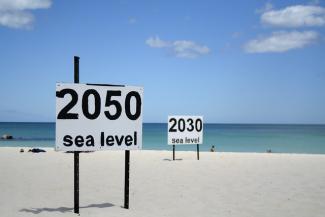
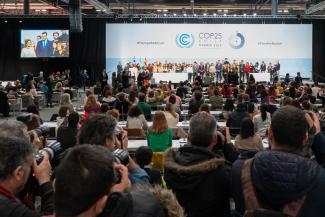
In early December, delegates from around the world convened in Madrid for the 25th Conference of the Parties to the UNFCCC (COP 25). They celebrated the 2nd meeting of the parties to the Paris Agreement, aiming to complete the Paris Agreement rulebook. As the parties struggled and ultimately failed to come to a decision regarding global carbon markets, the goal of limiting global warming to 2 degrees appears increasingly unlikely, and the prospect of climate engineering (CE), once an abstract debate, inches closer to becoming a reality.

Wildfire Liability, Environmental Justice, and Climate Change
Wednesday, November 13, 2019

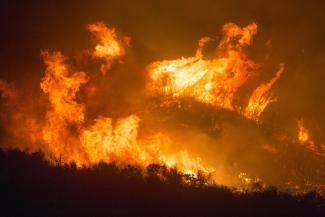
As climate change worsens, so does the risk of wildfires. This is especially so in the western United States, as seen all too well in California in recent weeks. Adding fuel to the fire are the increasing number of homes built near areas prone to wildfires, the wildland-urban interface (WUI), which increases the risk to people and their homes, makes wildfires harder to control, and prohibits fires from being allowed to burn naturally.

Typhoon Hagibis and the Future of Japan’s Climate Change Resilience and Adaptation Strategy
Monday, November 11, 2019

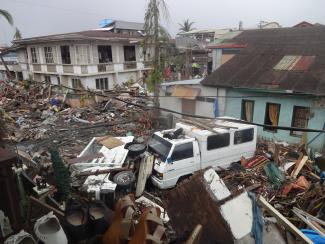
Japan has been no stranger to large environmental and natural disasters over the last decade: the country has experienced several typhoons with flooding, earthquakes, heat waves, as well as the infamous Fukushima Daiichi nuclear disaster in 2011. In September, Typhoon Faxai hit Tokyo and Chiba prefecture; its strong winds and rains halted train service, damaged buildings, and took down power lines. It left three dead and dozens injured. Only a few weeks later, Typhoon Hagibis tore through the Kanto and Tohoku regions. The typhoon was so strong that three days after reaching Japan, the National Weather Service in Anchorage, Alaska, reported remnants of the typhoon had reached the other side of the Pacific.

Business Intelligence Within the U.S. Coal Combustion Residuals Market, Part 1
Wednesday, November 6, 2019

Although it may not be a trending cocktail party topic, coal ash compliance activities are certainly well-known in the legal and environmental risk management community. Billions of dollars are at stake for the owners and operators of coal power plants impacted by the 2015 Disposal of Coal Combustion Residuals (CCR) rule.

Wetlands Then and Now: Nominations for the 31st National Wetlands Awards Now Open
Wednesday, October 16, 2019

During the 19th century’s period of rapid population growth, America’s wetlands were largely considered to be an eyesore and an obstacle to development. These were bodies of water that needed to be drained in order to make way for agriculture, buildings, and major roadways. The successive Swamp Land Acts of 1849, 1850, and 1860 turned titles of federally owned swamp and “overflowed” land over to states, who in turn agreed to drain the land to make it fit for cultivation.