

Vibrant Environment
All
All | Biodiversity | Climate Change and Sustainability | Environmental Justice | Governance and Rule of Law | Land Use and Natural Resources | Oceans and Coasts | Pollution Control
By ELR Staff
In March of last year, President Trump issued fossil-fuel friendly Executive Order No. 13783, Promoting Energy Independence and Economic Growth. Section 5 of this Order directed agencies to discontinue use of the “social cost of carbon” (SCC), a protocol developed under the Obama Administration to monetize the impacts of climate-related disasters and disruption.
By ELR Staff
In March of last year, President Trump issued fossil-fuel friendly Executive Order No. 13783, Promoting Energy Independence and Economic Growth. Section 5 of this Order directed agencies to discontinue use of the “social cost of carbon” (SCC), a protocol developed under the Obama Administration to monetize the impacts of climate-related disasters and disruption.

By Samantha Goins
If you walk into a grocery store almost anywhere in the United States, the first thing you see when you come in is produce. The produce section is a vast treasure trove of fruits, vegetables, and fresh herbs. When shopping for these—something most of us do each week—one immediate decision is whether or not to pay a little extra for “organic” products. We have to make a similar choice in the dairy aisle. And in other areas of the store, we have to decide if it’s worth it to pay extra for “all natural,” “GMO-free,” or “ethically/sustainably produced” goods.
By James M. McElfish, Jr.
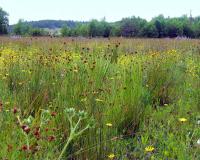
The Oil Pollution Act and CERCLA allow for the recovery of more than just cleanup costs following an oil spill or the release of hazardous substances. These laws also provide for the recovery of damages to restore or replace natural resources to the conditions that would have existed prior to the spill or release, as well as to compensate for interim losses of ecological services. Natural resource trustees—states and tribes acting on behalf of the public—are tasked (along with federal trustees) with planning and implementing the restoration of these lost natural resources and services.
By Serena Choi
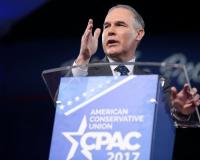
Over the last year, the Trump Administration has launched an extensive regulatory rollback effort, which notably included Executive Order No. 13771 and its two-for-one provision. On May 16, ELI hosted a seminar, “The Burden of Unburdening: Administrative Law of Deregulation,” which examined this deregulatory shift.
By Kathryn R. Ma
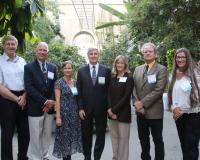
“These places hold the world together,” said National Wetlands Awardee Latimore M. Smith of wetlands during his award acceptance speech. Simple words spoken to him early in his career as he explored a Louisiana bog, they continue to hold profound meaning and inspire him to this day. At the National Wetlands Awards ceremony that took place on May 9, 2018, in Washington, D.C., each of the six awardees shared stories about what inspired them in their efforts to protect and preserve wetlands.
By Kathryn R. Ma
“These places hold the world together,” said National Wetlands Awardee Latimore M. Smith of wetlands during his award acceptance speech. Simple words spoken to him early in his career as he explored a Louisiana bog, they continue to hold profound meaning and inspire him to this day. At the National Wetlands Awards ceremony that took place on May 9, 2018, in Washington, D.C., each of the six awardees shared stories about what inspired them in their efforts to protect and preserve wetlands.
By Linda Breggin, By John Hare-Grogg
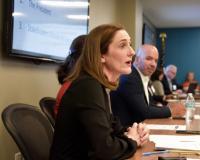
Some of the smartest people in our law school classes became law professors. But, chances are you don’t know much, if anything, about their academic work. Busy policymakers and legal practitioners simply don’t have the time to read long, heavily footnoted law review articles. Yet, buried in those dense law review articles can be important new and creative law and policy proposals. All too often, however, academics talk about those ideas among themselves, and their proposals are not informed by policymakers, let alone adopted in the law and policy arena.

By Azi Akpan
This conversation with Danny Le, BPSOS, is part of the ELI Gulf of Mexico team’s “Why I Participate in Gulf Restoration” blog series. The series aims to highlight the views of community members impacted by the BP oil spill, and provide a glimpse of some challenges and successes they face in getting involved in the restoration processes.
By Azi Akpan
This conversation with Danny Le, BPSOS, is part of the ELI Gulf of Mexico team’s “Why I Participate in Gulf Restoration” blog series. The series aims to highlight the views of community members impacted by the BP oil spill, and provide a glimpse of some challenges and successes they face in getting involved in the restoration processes.