
The Overlooked Drivers of Climate Mobility: Slow-Onset Events and Human Movement
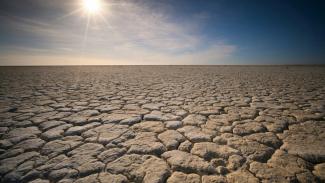
blue sky with sun setting over cracked dry land
Thursday, October 30, 2025

Climate change is making some regions of the world less habitable for humans, influencing where and why people move. According to the Internal Displacement Monitoring Centre (IDMC), 46.9 million new internal displacements were recorded in 2023, out of which 26.4 million (approximately 56%) were due to climate extreme events.

ELI Offers Insight on “Migration With Dignity” in Journal of Disaster Research
April 2022

(Washington, D.C.): Since the beginning of time, people have been on the move in hopes of a better life. Whether people relocate voluntarily in search of better jobs, or they are forced to leave their homes because of war or environmental displacement, all migrating people deserve to be treated with dignity. Sadly, human rights and human dignity are too often treated as an afterthought to the migration process.

Understanding Migration and Return

After the immediate effects of a disaster have passed, the disruptive impacts continue for many communities as they contend with the desire, ability, and wisdom of returning home to the affected area or whether to relocate permanently. Factors that affect household decisions to return include, for example, availability of housing and public services, financial constraints, and personal or social attachments.

Maintaining Effective Livelihoods

Environmental migrants face both challenges and opportunities as they adjust to new physical, cultural, and social environments. These migrants share similarities with involuntary migrants due to conflict; in many cases, neither return home and must instead reestablish their lives and livelihoods in a new place. The nature and availability of employment may be dramatically different in a new location, as may be the written and unwritten rules governing behavior.

Environmental Displacement and Migration

People can experience environmental displacement in many ways. They may be forced to leave their homes and communities due to sudden-onset events (such as tsunamis, landslides, and flood events), or slow-onset processes (such as desertification and sea level rise). Environmental migration can occur in response to floods, desertification, and other environmental events, or it may occur in anticipation of those events. Because there are usually many reasons for migration, it can be challenging to unpack the precise role that the environment has in driving migration directly or indirectly.