
Research Reports
ELI publishes Research Reports available for free download that present the analysis and conclusions of the policy studies ELI undertakes to improve environmental law and policy. These reports contribute to education of the profession and disseminate diverse points of view and opinions to stimulate a robust and creative exchange of ideas. Those publications, which express opinions of the authors and not necessarily those of the Institute, its Board of Directors, or funding organizations, exemplify ELI’s commitment to dialogue with all sectors.
May 2017
In the coming decades, billions of dollars will go to Gulf of Mexico restoration projects through processes set up after the Deepwater Horizon (DWH) oil spill. Hundreds of projects have already been approved, and many more are on the way. As the deluge of projects begins, it’s essential to take a step back and ask a simple question: What makes for a “good” restoration project?
Read More >
May 2017
Our Good Projects Checklist is intended to help members of the public determine whether a restoration project is good or not. It includes seven different elements of what to look for in a project. For each element, we provide: (1) a list of questions to determine whether a project adequately includes that element; (2) guidance on how to apply the element; and (3) an example of a Gulf project that satisfies the element.
Read More >
April 2017
This Action Guide is designed to help local governments across the country leverage hazard mitigation buyouts to protect, restore, and connect habitats in local communities.
Read More >
March 2017
In response to the growing demand for unbiased answers and analysis on how deregulatory initiatives by the new Administration and Congress will impact environmental protection, governance, and the rule of law, the Environmental Law Institute (ELI) has released Regulatory Reform in the Trump Era. The report explains the legal mechanisms and processes that may get deployed, how they work, and the effect on the current regulatory landscape.
Read More >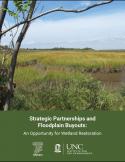
February 2017
This Handbook summarizes key considerations for wetland and conservation agencies or organizations interested in playing a role in the floodplain buyout process. These organizations can be valuable partners for local governments while advancing their interest in ecosystem and habitat conservation or restoration.
Read More >