
Research Reports
ELI publishes Research Reports available for free download that present the analysis and conclusions of the policy studies ELI undertakes to improve environmental law and policy. These reports contribute to education of the profession and disseminate diverse points of view and opinions to stimulate a robust and creative exchange of ideas. Those publications, which express opinions of the authors and not necessarily those of the Institute, its Board of Directors, or funding organizations, exemplify ELI’s commitment to dialogue with all sectors.
July 2021
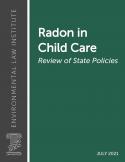
Indoor radon exposure is responsible for an estimated 21,000 lung cancer deaths in the U.S. every year. Radon gas can move from the ground to the air inside a building through cracks and other openings in the foundation. The only way to know the radon level in a particular building is to test the air in that building. Because elevated indoor radon levels have been found in all states, every state can benefit from establishing policies to promote radon testing and mitigation in child care facilities and other buildings.
Read More >
May 2021
For this study, we reviewed 103 local plans from eleven states to better understand to what extent they are incorporating nature-based actions. Our review provides a snapshot of the range of practice across local hazard mitigation plans across the country and identifies some example language that could be used by local governments in future plan updates. We conclude with a discussion of next steps for local governments to improve integration of nature-based actions into plans.
Read More > 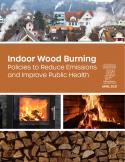
April 2021
Smoke from residential wood burning is composed of many substances, including particulate matter, carbon monoxide, nitrogen oxides, and toxic chemicals such as benzene, formaldehyde, and polycyclic aromatic hydrocarbons. A wide range of serious health effects are associated with exposure to these pollutants – most prominently fine particulate matter (PM2.5), which is linked to cardiovascular disease, respiratory disease, cancer, and other systemic health effects.
Read More >
April 2021
Nature-based strategies are actions that use the conservation or restoration of nature, such as ecosystems like wetlands, or green infrastructure projects, to address the risks from natural hazards. Nature-based mitigation strategies can help reduce the likelihood of future hazards occurring and minimize negative impacts when they do occur.
Read More >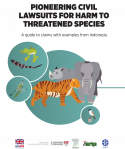
April 2021
Actions such as illegal wildlife trade, deforestation, mining and pollution are often responsible for huge and diverse harms to the environment—including particular impacts on threatened species. Faced with growing concern about the biodiversity crisis, including reports that at least one million species are at risk of extinction, there are growing demands for social and environmental justice. This includes redoubling efforts to hold responsible parties accountable, and to deter future harmful actions.
Read More >